
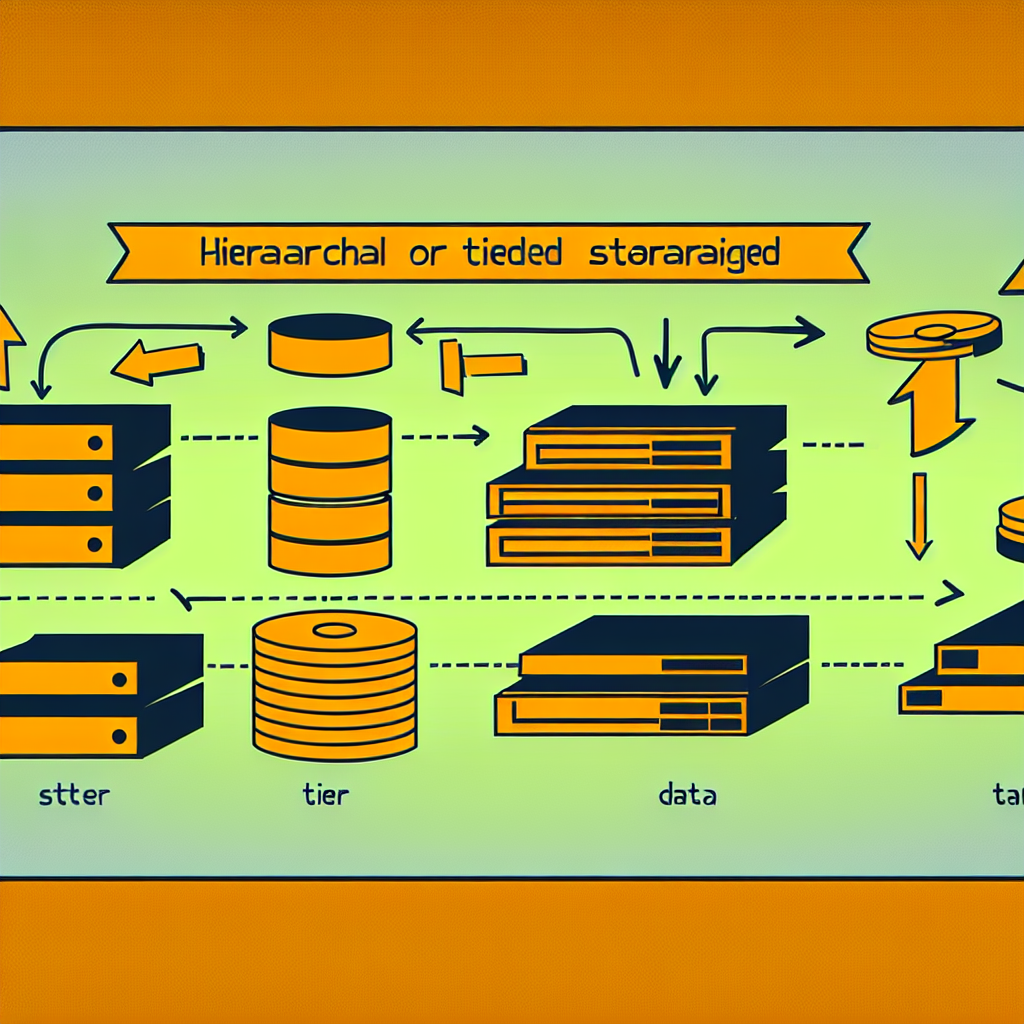

Introduction to Hierarchical or Tiered Storage
In the contemporary data landscape, organizations generate and consume enormous volumes of information daily. This presents a critical challenge: managing data in a way that is both efficient and cost-effective. This is where hierarchical or tiered storage solutions come into play. By segmenting storage resources based on required performance, cost, and data volatility, businesses can significantly optimize their infrastructure.
Understanding the Concept of Hierarchical Storage
Hierarchical storage management (HSM) is a strategy aimed at optimizing data storage by classifying data according to its usage patterns and importance. This method enables organizations to allocate resources effectively, ensuring that frequently accessed data is stored on high-speed devices, while less frequently accessed data is moved to slower, more cost-effective media. By organizing data in this manner, companies can achieve a balance between performance and storage costs.
Levels of Storage Tiers
Typically, tiered storage solutions consist of multiple storage classes, each with distinct characteristics. The most common tiers include:
Tier 1: High-Performance Storage
This tier is designed for mission-critical applications that demand fast data retrieval and low latency. Technologies typically used in Tier 1 include solid-state drives (SSDs) and high-performance hard disk drives (HDDs). These storage devices offer rapid access speeds and are ideal for processing real-time data and running enterprise applications.
Tier 2: Mid-Range Storage
Mid-range storage solutions are suitable for less critical applications that still need reasonable performance, typically using enterprise-grade HDDs. This tier balances cost and performance effectively, making it suitable for applications that require good speed but aren’t mission-critical, such as in development or testing environments.
Tier 3: Archival Storage
Archival storage is meant for data that is infrequently accessed but must be retained for compliance or historical reasons. It typically involves slower storage media, like traditional HDDs or tape drives, which are significantly cheaper per gigabyte. This tier is essential for long-term storage of vast datasets that do not require speedy retrieval.
Implementing a Hierarchical Storage System
The implementation of a tiered storage strategy can revolutionize an organization’s data management approach. The first step is conducting a thorough assessment of data. This involves understanding the data’s nature—including how often it is accessed, the speed required for access, and any regulatory requirements surrounding its storage.
Data Classification
Once the data is assessed, the next step is classification. Here, data is categorized into different tiers based on access patterns. For instance, a company might categorize its sales data as Tier 1 because it’s regularly accessed, while backup data may be classified as Tier 3.
Policy Development
Policy development is crucial in tiered storage. This comprises defining how and when data should move between tiers, thus ensuring that data is always stored in the most cost-effective location. Policies may utilize automated processes to execute data movements based on predefined criteria, such as age or access frequency.
Advantages of Hierarchical Storage
Employing a hierarchical or tiered storage solution brings numerous advantages, enhancing both efficiency and operational costs.
Cost Efficiency
One of the most significant benefits of tiered storage is cost efficiency. By placing less frequently accessed data on cheaper media, organizations can lower their storage costs significantly. This is particularly beneficial for businesses experiencing rapid data growth, enabling them to manage expenses effectively without compromising quality.
Enhanced Performance
Performance is another area where tiered storage excels. By storing critical data on high-speed devices, access times are minimized, resulting in faster application performance. This is crucial in environments where time is a factor, such as financial services or healthcare.
Improved Data Management
With an organized approach to data storage, businesses can manage their information more efficiently. Hierarchical storage management facilitates easy retrieval of data, ensuring that users can access what they need promptly without sifting through vast amounts of unrelated information.
Challenges of Hierarchical Storage
While there are numerous advantages to tiered storage, organizations must also be aware of potential challenges.
Complexity of Management
The implementation and management of a hierarchical storage system can be complex. Organizations need to invest time in setting up and maintaining policies and ensuring that the system adapts to changing data needs over time. This complexity can necessitate additional training for IT staff.
Potential Data Loss Risks
Moving data between tiers may expose it to potential risks. If proper processes are not followed, there is a risk of data loss during migration or misplacement. Organizations need to ensure systems are in place for reliable backups and failover processes to mitigate these risks.
Technological Considerations
The landscape of storage technology is ever-evolving. Therefore, staying updated with the latest advancements is critical for organizations implementing tiered storage solutions.
Cloud Storage and Tiered Systems
With the rise of cloud computing, many organizations are leveraging cloud services for their hierarchical storage needs. Cloud providers often offer tiered storage solutions that allow organizations to store data across various classes of storage. This integration can lead to significant advantages, such as scalability and flexibility, making it easier for businesses to adapt to fluctuating data storage needs.
Data Analytics Integration
Data analytics plays a crucial role in optimizing tiered storage. Advanced analytics can provide insights into data usage patterns, allowing organizations to adjust their storage strategies dynamically. For example, if analytics indicate that certain archival data is being accessed more frequently, it may warrant a move to a higher tier. Organizations can use machine learning algorithms to automate some of these decisions, ensuring optimal storage management.
Future Trends in Hierarchical Storage
As technology continues to advance, several trends will likely shape the future landscape of hierarchical storage.
Increased Automation
Automation is expected to play an increasingly vital role in managing tiered storage. As AI-driven technologies improve, organizations will be able to automate data classification and movement, making these processes less prone to human error and more efficient.
Sustainability Considerations
With growing awareness around environmental sustainability, organizations will likely seek storage solutions that minimize their environmental impact. This could lead to a greater emphasis on energy-efficient storage technologies and practices in tiered storage strategies.
Conclusion
Hierarchical or tiered storage is an essential strategy for modern data management. As data continues to proliferate, organizations must adopt sophisticated methods to store and manage information efficiently. By classifying data based on usage patterns and access needs, businesses can optimize their storage infrastructure, striking a balance between performance, cost, and data management. While there are challenges, the strategic implementation of tiered storage will undoubtedly pave the way for greater efficiency and success in the ever-evolving landscape of data management.
FAQs
What is hierarchical storage management?
Hierarchical storage management is a data storage strategy that organizes data into different tiers based on its importance and access frequency. This approach optimizes storage efficiency and cost-effectiveness.
What are the benefits of tiered storage?
The primary benefits of tiered storage include cost efficiency, enhanced performance, and improved data management. This strategy allows companies to allocate data to the most appropriate storage solutions based on usage patterns.
What technologies are used in different storage tiers?
Tier 1 typically uses SSDs and high-performance HDDs for rapid access. Tier 2 employs enterprise-grade HDDs for mid-range performance, while Tier 3 relies on slower, cost-effective media like tape drives for archival storage.
How do organizations classify their data for tiered storage?
Organizations assess their data by analyzing usage patterns, access frequency, and regulatory requirements. This classification helps determine which tier each data type belongs to, optimizing storage strategies.
Can tiered storage be implemented in the cloud?
Yes, many cloud providers offer tiered storage solutions that allow organizations to store data across various storage classes, providing scalability and flexibility in data management.
