

Understanding Multitier Architecture
The modern digital landscape has given rise to complexities in application architecture, demanding more scalable, maintainable, and robust solutions. This is where the multitier architecture (MTA), also known as n-tier architecture, comes into play. This article delves into what multitier architecture is, its components, advantages, disadvantages, and some common use cases, all culminating in an understanding necessary for anyone looking to build or manage complex software systems.
What is Multitier Architecture?
Multitier architecture is a client-server architecture where the data, application logic, and user interface are separated into multiple layers, or tiers. Each tier typically has its own set of responsibilities, allowing it to be independently managed, modified, and scaled.
In a multitier application, communication between tiers is established over a network, ensuring a level of abstraction that simplifies development and maintenance. The modularity gained through this separation allows teams to work on different aspects simultaneously without affecting the entire application.
Core Components of Multitier Architecture
To fully understand multitier architecture, we need to examine its three primary tiers:
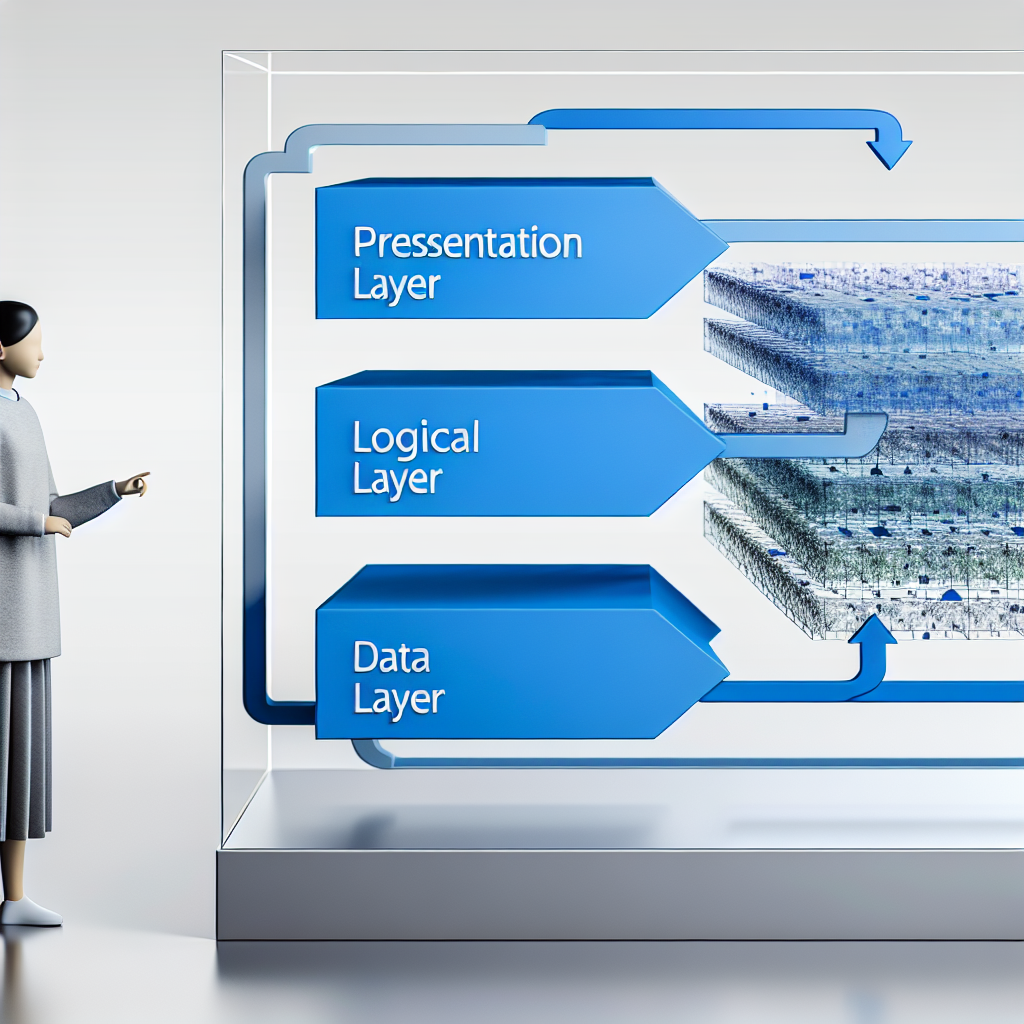
1. Presentation Tier
This is the user interface layer where users interact with the application. It often consists of web pages, mobile apps, or desktop applications that present data to the user and gather input. The presentation layer is responsible for rendering the information it receives from the application layer and sending user requests back to it.
2. Application Tier (Logic Tier)
The application tier is where the business logic resides. This layer processes data between the presentation tier and the data tier. It handles the operations performed on the data, coordinates inputs from the user interface, and generates the necessary outputs. The application tier is also where the bulk of any complex logic or rules will be implemented.
3. Data Tier
The data tier is responsible for data storage and management. It typically consists of database servers or file systems where all application data is stored and retrieved. This layer is crucial as it ensures data integrity and availability. It may utilize various data storage technologies, such as SQL databases, NoSQL databases, or cloud storage solutions.
Advantages of Multitier Architecture
We can enumerate several advantages that multitier architecture offers:
- Scalability: Each tier can be scaled independently based on specific loads or requirements. For example, if there is an increase in user traffic, additional resources can be allocated to the presentation layer without affecting the application or data layers.
- Maintainability: The separation of concerns means that developers can work on different layers concurrently. Updates and changes can be made in one layer without necessitating significant changes in others.
- Flexibility: Different technologies can be used for each layer. This opens the door for adopting new technologies and skills without disrupting the entire system.
- Performance: By offloading specific concerns to dedicated servers or layers, performance can be enhanced (e.g., load balancers for the presentation tier or caching systems for the data layer).
- Enhanced Security: Sensitive operations, particularly those involving data access, can be isolated to specific tiers, creating a safer overall structure.
Disadvantages of Multitier Architecture
However, multitier architecture is not without its challenges:
- Complexity: With multiple layers, the system’s architecture can become complex. This may lead to challenges in development, testing, and deployment.
- Network Latency: Communication between layers, especially if their servers are distributed, could lead to latency issues. The more hops a request has to make, the slower the response may be.
- Cost: Maintaining multiple servers or different technologies for each tier can lead to increased operational costs.
- Dependency Management: A failure or problem in one layer can cascade through the others, potentially leading to system-wide failures. Proper management of dependencies is critical.
Common Use Cases for Multitier Architecture
Numerous applications can benefit from multitier architecture, including:
- Web Applications: Most web applications employ a multitier architecture where the front-end (presentation layer) interacts with backend services and databases.
- E-commerce Platforms: Such platforms require a separation of user interface, business logic, and product databases for scalability and robustness.
- Enterprise Applications: Complex business solutions often require multitier architecture for managing large datasets and high user traffic.
- Mobile Applications: Many mobile apps communicate with remote servers through APIs, benefiting from multitier structures to manage user interactions and data efficiently.
Implementing Multitier Architecture
When planning to use multitier architecture, consider these steps:
1. Define the Requirements
Assess what your application needs are, user demands, scalability requirements, and other functional or non-functional requirements.
2. Design the Architecture
Map out the application layers, how they will interact, and the technologies that will be used for each tier. Assess compatibility, performance implications, and deployment considerations.
3. Choose the Right Technologies
Based on the needs defined, choose appropriate frameworks, languages, and databases to implement the different layers effectively. The chosen technologies will often dictate how smoothly communication occurs between layers.
4. Develop and Test Each Layer Independently
Work can be parallelized since different teams can build and test various layers without depending on the completion of others, facilitating faster development cycles.
5. Monitor and Optimize
Once deployed, constantly monitor performance, handling network requests, and user interactions to ensure optimal efficiency across all tiers. Optimization can then focus on bottleneck layers.
Conclusion
In conclusion, multitier architecture provides a structured approach to developing and managing complex software applications. By separating concerns into distinct layers, teams can improve scalability, maintainability, and performance while mitigating risks associated with complex systems. Understanding how to implement multitier architecture effectively can lead to significant advantages in the fast-evolving technology landscape. As you navigate the complexity of your modernization plans, multitier architecture could very well be the framework that supports your success.
FAQs
Q1: What is the difference between multitier and monolithic architecture?
A: Monolithic architecture combines all application components into a single unit, whereas multitier architecture separates them into distinct layers. This modularity allows multitier applications to be more scalable and easier to maintain.
Q2: Is multitier architecture suitable for all applications?
A: While multitier architecture is advantageous for complex systems with high scalability needs, it may introduce unnecessary complexity for smaller applications where a simpler architectural approach would suffice.
Q3: Can multitier architecture be implemented in cloud environments?
A: Absolutely! Multitier architecture is often used in cloud environments. Each tier can be deployed as cloud services, facilitating enhanced scalability, reliability, and performance.
Q4: How do I choose the right technology stack for each tier?
A: When selecting a technology stack, consider the specific requirements of each tier, including performance, security, compatibility with existing systems, and team expertise.
Q5: What are microservices, and how do they relate to multitier architecture?
A: Microservices architecture is an evolution of multitier architecture where each function or service is built independently and can communicate via APIs. It takes the separation of concerns a step further by allowing each service to be developed, deployed, and scaled independently.
